Online advertising gives businesses many ways to connect with potential customers. Banner ads continue to play an important role because they appear across websites, blogs, and mobile applications where users spend their time every day.
A banner may only stay on the screen for a few seconds, but that short moment can influence whether someone clicks, remembers your brand, or ignores the advertisement completely.
Many advertisers focus on attractive graphics and catchy headlines. While those elements matter, the size of the banner is just as important. A properly sized banner fits naturally into the available advertising space, displays your message clearly, and creates a better user experience. The wrong size can reduce visibility and lower engagement, no matter how attractive the design is.
When banner advertising is supported by social media optimization services, businesses create a stronger digital presence that keeps their audience engaged across multiple platforms. This combination helps improve brand awareness and supports better marketing results over time..
Why Banner Ad Size Plays a Major Role in Campaign Success?
Every advertising campaign has a purpose. Some campaigns focus on increasing brand awareness, while others encourage people to visit a website or make a purchase. Choosing the correct banner size helps achieve those goals more effectively.
Banner advertisements appear in different locations across websites. Some are displayed at the top of a page, while others appear within articles or along the side of the content. Since each placement offers different levels of visibility, using the correct dimensions ensures that your advertisement fits properly without losing quality.
A well sized banner offers several important advantages.
- Improves visibility across websites
- Makes the advertisement easier to read
- Supports faster loading speed
- Fits available advertising spaces correctly
- Creates a better user experience
- Helps increase click through rates
People often decide within seconds whether an advertisement deserves their attention. If the banner appears too small, important information may be difficult to read. If it is too large, it can distract visitors and create a negative browsing experience. Selecting the right dimensions creates the perfect balance between visibility and usability.
Businesses should also remember that visitors use different devices. Desktop users have larger screens, while mobile users expect advertisements that fit smaller displays without interrupting their browsing experience.
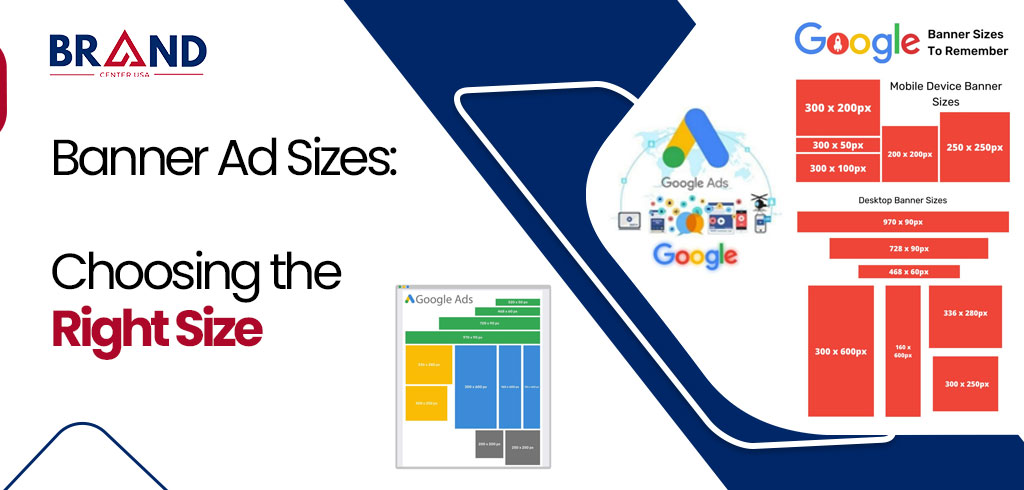
Popular Banner Ad Sizes and Their Best Uses
Not every banner size serves the same purpose. Some formats have become industry standards because they consistently perform well across different websites and advertising networks.
Here are some of the most widely used banner sizes..
Leaderboard
The Leaderboard measures 728 by 90 pixels. It usually appears across the top of a webpage and is one of the first advertisements visitors notice. This format works well for promoting new products, seasonal offers, and brand awareness campaigns.
Medium Rectangle
The Medium Rectangle measures 300 by 250 pixels. It blends naturally into webpage content and often delivers strong engagement because users see it while reading articles or browsing products.
Large Rectangle
The Large Rectangle measures 336 by 280 pixels. It offers more space for visuals and text, making it suitable for advertisements that require additional information without becoming crowded.
Wide Skyscraper
The Wide Skyscraper measures 160 by 600 pixels. This vertical advertisement appears along the side of webpages and remains visible as users scroll through content.
Mobile Leaderboard
The Mobile Leaderboard measures 320 by 50 pixels. Since many people browse websites using smartphones, this banner allows businesses to reach mobile users without disrupting their experience.
Instead of depending on one format, advertisers often create several banner sizes for the same campaign. This increases the number of available placements and improves campaign reach across different websites and devices.
Design Elements That Improve Banner Performance
Even the perfect banner size cannot guarantee success without effective design. Every advertisement should communicate its message quickly because users spend very little time viewing display ads.
Start with a clear headline. Visitors should understand the message immediately without reading long paragraphs. Short and direct headlines perform better because they are easier to scan.
Images should support the message instead of distracting from it. High quality visuals create a professional appearance and help build trust with potential customers.
The call to action should stand out clearly. Whether the goal is to learn more, shop now, or contact the business, users should understand exactly what action they need to take.
Some of the biggest advantages include:Successful banner designs usually include the following.
- One simple message
- High quality images
- Easy to read typography
- Strong brand identity
- Clear call to action
- Balanced use of white space
Avoid filling every part of the banner with text or graphics. Clean layouts help users focus on the most important information and improve overall readability.
Testing multiple versions also helps improve performance. Small changes in colors, headlines, or button placement often produce noticeable improvements in click through rates.
Common Mistakes Businesses Should Avoid
Many businesses invest in display advertising without paying attention to common design and placement mistakes. These issues reduce campaign performance and waste advertising budgets.
One common mistake is choosing banner sizes that are not supported by popular advertising networks. Standard dimensions provide more placement opportunities and improve campaign reach.
Another mistake is adding too much text. Banner advertisements should deliver a clear message within seconds. Long descriptions reduce readability and discourage engagement.
Some advertisers also ignore mobile optimization. Since a large percentage of internet users browse websites on smartphones, banners should display correctly across all screen sizes.
Businesses should also avoid using low quality images or inconsistent branding. Every advertisement should reflect the company’s identity through professional visuals, colors, and messaging.
Regular performance reviews help identify these problems before they affect long term campaign success.
Combining Banner Advertising With Social Media Growth
FindBanner advertising performs even better when it supports other digital marketing activities. Instead of treating every campaign separately, businesses should connect their advertising strategy with their overall online presence.
This is where social media optimization services become valuable. Banner advertisements encourage users to visit a website or social media profile. Once they arrive, active and engaging social pages help build trust and encourage further interaction.
A strong social media presence provides additional opportunities to communicate with customers through valuable content, updates, promotions, and customer engagement.
When banner campaigns and social media strategies work together, businesses can achieve several benefits.
- Better brand recognition
- Consistent messaging across platforms
- Increased audience engagement
- Higher customer confidence
- Greater long term visibility
Instead of relying on a single marketing channel, businesses create multiple opportunities for customers to interact with their brand throughout the buying journey.
Measuring Results and Improving Future Campaigns
Every successful advertising campaign depends on continuous improvement. Measuring campaign performance helps businesses understand what works and where changes are needed.
Important performance indicators include impressions, click through rate, conversion rate, engagement, and return on advertising investment. These metrics provide valuable insights into audience behavior.
A high number of impressions with few clicks may indicate that the banner design needs improvement. Strong click rates with low conversions could suggest that the landing page requires optimization.
Businesses should regularly compare the performance of different banner sizes, headlines, images, and calls to action. Testing multiple versions allows marketers to make informed decisions based on actual data instead of assumptions.
It is also helpful to monitor desktop and mobile performance separately. User behavior often varies across devices, making it easier to optimize campaigns for each audience.
Consistent analysis allows advertisers to improve every campaign and maximize the value of their advertising budget.
The Bottom Line
Choosing the right banner ad size is more than a design decision. It directly influences visibility, user experience, engagement, and campaign performance. Standard banner dimensions create better placement opportunities, while thoughtful design helps communicate your message quickly and effectively. Businesses that regularly test different banner formats and measure campaign results can improve advertising performance over time.
At Brand Center USA, we build digital marketing strategies that help businesses grow with confidence. Our team develops creative advertising campaigns supported by social media optimization services to strengthen your online presence, improve audience engagement, and generate measurable business results.
By combining smart banner advertising with a complete digital marketing strategy, we help brands connect with the right audience and achieve sustainable growth.